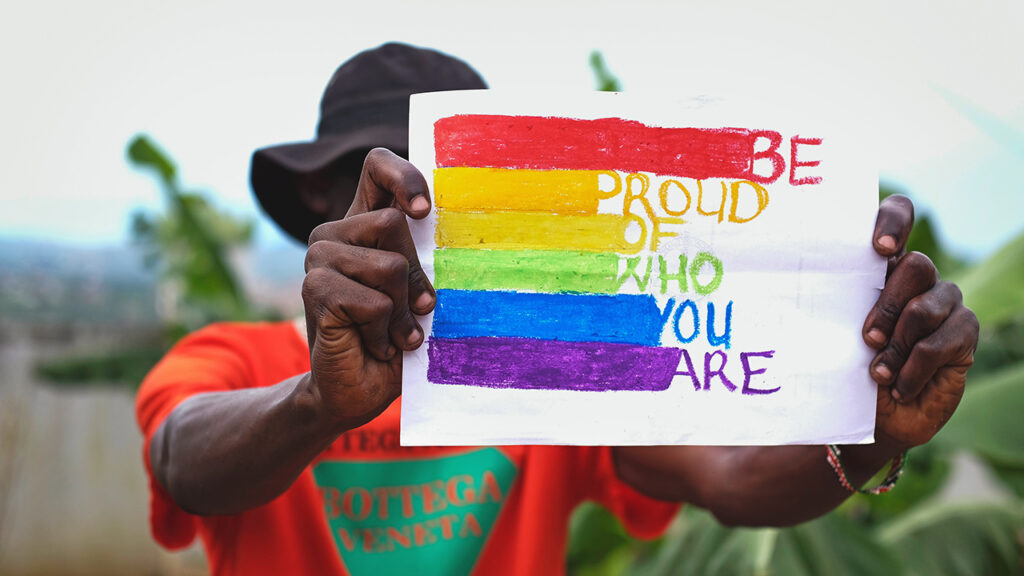
The LGBTQ+ community in West African countries faces significant human rights challenges. These challenges are deeply rooted in legal, social, and cultural barriers that perpetuate discrimination and marginalization. This blog explores the multifaceted obstacles LGBTQ+ individuals encounter in this region and highlights the ongoing efforts to address these issues.
Legal Barriers
In many West African countries, laws criminalizing same-sex relationships and non-heteronormative identities remain in place. These laws often date back to colonial times and have been reinforced by contemporary legislation. For instance, Nigeria’s Same-Sex Marriage (Prohibition) Act of 2014 imposes severe penalties on individuals engaging in same-sex relationships (Macauley,2025).
Similarly, in Ghana, proposed legislation threatens to further criminalize LGBTQ+ activities. The bill seeks to increase the penalties for engaging in consensual same-sex conduct, raising the maximum penalty from three years to five years in prison. In Gambia, homosexual acts are punishable by up to 14 years in prison, and the 2014 Criminal Code Amendment Act introduced even harsher penalties.
These legal barriers not only criminalize LGBTQ+ identities but also foster an environment of fear and persecution. Arbitrary arrests, detentions, and harassment by law enforcement are common, making it difficult for LGBTQ+ individuals to live openly and safely.
The lack of legal protections against discrimination exacerbates these challenges, leaving LGBTQ+ people vulnerable to violence and abuse.
Social Barriers
Social attitudes towards LGBTQ+ individuals in West Africa are often shaped by deeply ingrained cultural and religious beliefs. Homosexuality is frequently viewed as a taboo or a Western import, leading to widespread stigma and discrimination.
This societal rejection manifests in various forms, including family rejection, bullying, and exclusion from community activities. The social ostracism faced by LGBTQ+ individuals can have severe psychological impacts, leading to increased rates of depression, anxiety, and suicide.
For example, in Gambia, the predominantly Muslim population interprets Islamic texts as condemning homosexuality, reinforcing negative attitudes and justifying exclusion and violence against LGBTQ+ people.
Additionally, the fear of being ousted or discriminated against often forces LGBTQ+ people to conceal their identities, limiting their access to essential services such as healthcare and education.
Cultural Barriers
Cultural norms and traditions in West Africa play a significant role in shaping attitudes towards LGBTQ+ individuals. In many communities, traditional gender roles and expectations are strictly enforced, leaving little room for non-conforming identities. Cultural practices that emphasize heteronormativity and patriarchal values further marginalize LGBTQ+ individuals.
Efforts to challenge these cultural barriers are often met with resistance. Activists and organizations working to promote LGBTQ+ rights face threats and violence, making it difficult to advocate for change (Human Rights Watch,2022).
Recommended Strategies
As interns in the Amnesty International Canada, Ottawa branch, here are some practical steps and strategies we can recommend in assisting and advocating for these communities:
- Amnesty International can work with local and international legal experts to challenge and repeal laws that criminalize LGBTQ+ identities and activities. This includes providing legal support to individuals facing prosecution under these laws.
- Launching campaigns to educate the public about LGBTQ+ rights and the harmful effects of discrimination. These campaigns can use various media platforms to reach a wide audience and challenge negative stereotypes.
- Working with local communities to foster understanding and acceptance of LGBTQ+ individuals. This can include workshops, seminars, and dialogues that address cultural and religious misconceptions.
- Providing training and resources to local LGBTQ+ activists and organizations to strengthen their advocacy efforts. This can include skills in legal advocacy, media engagement, and community organizing.
- Continuously monitoring the human rights situation of LGBTQ+ individuals in West Africa and documenting cases of abuse and discrimination. Publishing reports and briefings to bring international attention to these issues.
- Offering legal aid and counselling services to LGBTQ+ individuals who have been victims of discrimination or violence. This can help them navigate the legal system and access necessary support services (Amnesty International,2024).
The human rights challenges faced by LGBTQ+ communities in West African countries, especially Nigeria, Ghana, and Gambia are complex and multifaceted. Legal, social, and cultural barriers continue to perpetuate discrimination and marginalization. However, there is hope in the form of advocacy and activism that strives to create a more inclusive and accepting society. By addressing these barriers and promoting human rights for all, we can work towards a future where LGBTQ+ individuals in West Africa can live freely and without fear.
References
All Out.org- Voices of West and Central Africa
Amnesty International. (2024). Barrage of discriminatory laws stoking hate against LGBTI persons.
Human Rights Watch. (2022). Progress and Setbacks on LGBT Rights in Africa — An Overview of the Last Year.
Macauley.(2025). Defending freedom: the legal struggle for LGBTQ+rights in Africa
Photo: AP