Introduction
In the heart of Ada, nestled along Ghana’s eastern coastline, lies the Songor Lagoon—a resource that has sustained generations of small-scale salt miners and farmers. This lifeblood of the community has recently become a battleground for economic justice, cultural preservation, and survival.
In 2020, hopes were high when Electrochem Ghana Limited (EGL), owned by business magnate Daniel McKorley (McDan), took over the lagoon under a deal backed by the Ada Traditional Council and endorsed by President Nana Akufo-Addo.EGL is arguably the largest salt mining company in West Africa with a production capacity of about 1,000,000 metric tons of first-rate salt per annum. The agreement promised economic development, jobs, and community empowerment. However, five years later, the people of Ada are grappling with broken promises, economic hardship, and a loss of control over their ancestral lands.
A History Repeated
The current crisis echoes a long history of clashes over the Songor Lagoon. In 1985, a commission of inquiry into similar disputes recommended that no single entity should control the lagoon. However, this advice has been ignored, leading to the displacement, anxiety, and violence now plaguing the Ada community.
Dr. Yao Graham, National Coordinator of Third World Network Africa, has criticized the government for prioritizing corporate interests over the economic and cultural rights of the people. He argues that the Electrochem deal undermines the legal framework meant to protect communal resources and the livelihoods tied to them.
The Broken Promise of Development
Naana Korleki Korley I, divisional queen mother of the Terkperbiawe Clan, recalls her initial excitement when the deal was signed. As a custodian of Ada’s cultural heritage, she envisioned a future where the lagoon would benefit both investors and the community. Instead, she feels betrayed.
The Memorandum of Understanding (MOU) originally granted Electrochem 12,428 acres of the Songor Lagoon. However, when the agreement reached Parliament for ratification, the concession inexplicably ballooned to 39,126 acres, effectively giving the company control over the entire lagoon. Worse still, Electrochem now claims ownership of 41,000 acres, far exceeding the already contentious terms.
Economic Devastation in Ada
The consequences of the takeover have been devastating. For generations, the people of Ada have relied on the lagoon’s seasonal salt production to supplement their farming income. The traditional cycle of salt mining in the dry season and farming in the wet season created a delicate balance, sustaining thousands of families like Vida Wormenor’s.
Now, with limited access to the lagoon, Vida can no longer afford the inputs necessary to cultivate her farmland. Her children, who had aspirations of furthering their education, are stuck at home due to financial constraints. She is not alone; salt sellers, loaders, and transporters have also seen their livelihoods collapse. Even businesses indirectly tied to the salt economy, such as Agnes Amedor’s kenkey trade, are on the brink of collapse after decades of success.
Unfulfilled Obligations and Community Anguish
Beyond the economic toll, Electrochem stands accused of failing to deliver on promises outlined in the MOU. Jobs for local residents have been scarce, with workers citing exploitative conditions. Commitments to build schools, provide scholarships, and develop community infrastructure remain largely unfulfilled. Even royalties from the salt mining operations have not been paid, with clan heads confirming that only ground rent has been disbursed.
The company claims to have constructed community salt pans to compensate for the restricted access to the lagoon. Yet, only a handful of these pans exist—woefully inadequate for the over 15,000 small-scale salt producers in Ada. Community leaders, such as Abraham Tetteh Ahumah of the Ada Songor Lagoon Association (ASLA), have categorically rejected the pans, demanding full access to the lagoon.
The Way Forward
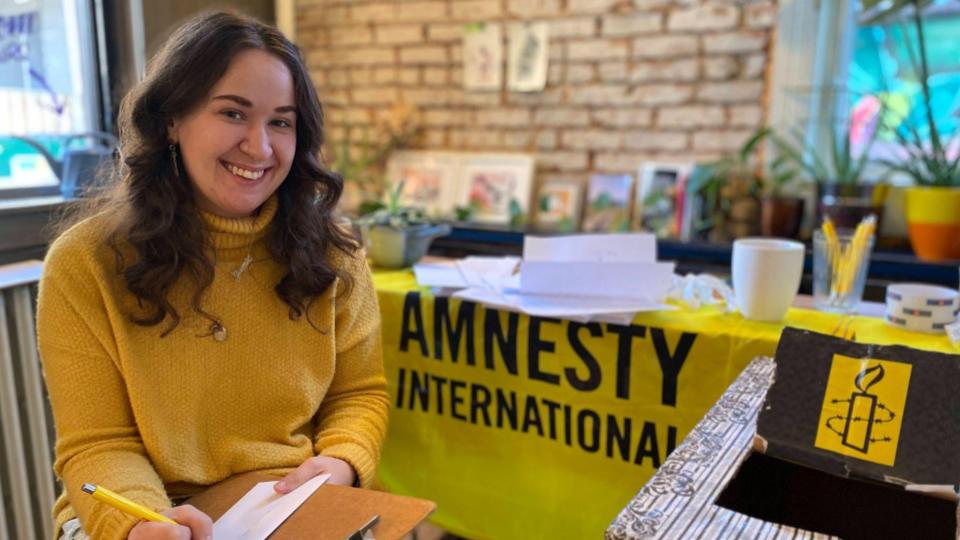
Even though, the Commission for Human Right and Administration Justice has conducted an initial investigate of the alleged human right violation after some residents from the seven salt mining communities in Ada petitioned CHRAJ in 2023 to look into the alleged human right abuses levelled against Electrochem Ghana Limited. No report has been released by CHRAJ as of July, 2023. It is important to bring this matter to international body like Amnesty International.
The Songor Lagoon represents more than just a salt deposit—it is a symbol of the cultural identity and resilience of the Ada people. Yet, their voices have been drowned out in the corridors of power. To restore peace and equity, the government must revisit the terms of the Electrochem deal.
Transparency, community engagement, and adherence to the 1980s master plan are crucial. The people of Ada must regain access to the lagoon to rebuild their lives and sustain their traditions. Without this, the once-thriving salt industry of Ada may become a cautionary tale of exploitation and lost heritage.
The struggle for the Songor Lagoon is not just a local issue; it is a reminder that development must prioritize people over profit. The voices of Ada must be heard, and their rights must be upheld. Anything less is a betrayal of the trust and heritage they have fought so hard to protect.
As MSc Geography candidates with a concentration in the Anthropocene at the University of Ottawa, we deeply interested in the intersection of environmental change, resource management, and human livelihoods. The situation in Ada highlights the critical need for sustainable development that balances economic growth with social and ecological well-being. Understanding cases like the Songor Lagoon is essential for shaping policies that prioritize both people and the environment in an era of unprecedented human impact on the planet.
Authors: Foster Adamu & Dickson Awuku Bekoe
Source: The Fourth Estate
Photo: Oxfam